Mister Dogy Font for Web Design Projects
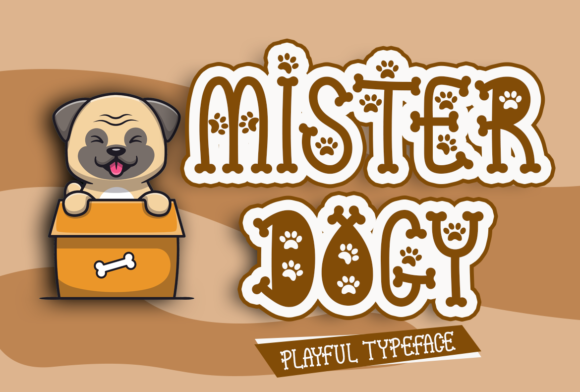
When choosing a display font for digital projects, it's crucial to find one that balances personality with practicality. Mister Dogy stands out as a quirky yet approachable typeface that brings charm to any design without sacrificing readability. As a web designer, I’ve found that this font works particularly well in layouts where a touch of whimsy is needed but clarity remains essential.
Mister Dogy has a hand-drawn feel with soft curves and playful letterforms that evoke a sense of warmth and friendliness. Its character set includes unique ligatures and alternate glyphs that add visual interest when used thoughtfully. This makes it ideal for creative portfolios, children’s content, or any brand looking to convey a lighthearted tone.
Using Mister Dogy in Website Headers and Hero Sections
In hero sections, the font can be used for large headlines to capture attention immediately. The rounded edges and open counters make it highly legible even at smaller sizes, which is especially important on mobile devices. Pairing Mister Dogy with a clean sans serif font like Helvetica or Arial for body text ensures a balanced visual hierarchy.
For example, a boutique online store selling handmade toys could use Mister Dogy for its main headline while keeping product descriptions in a simple sans serif. This combination maintains brand consistency while ensuring users can easily read through content.
Applying Mister Dogy to Conversion-Focused Layouts
In call-to-action areas, using Mister Dogy for buttons or short phrases can help draw the eye naturally. However, it's best suited for larger buttons where the font's details are visible. For instance, a coaching website might use it for a "Book a Session" button to create a friendly and inviting feel.
It's also worth considering how the font interacts with background colors. On light backgrounds, Mister Dogy retains good contrast, but on dark backgrounds, subtle adjustments may be needed to maintain readability. Testing different color combinations ensures the font doesn’t become too stylized at the expense of usability.
Font Pairing and Brand Identity
One of the most effective ways to use Mister Dogy is by pairing it with a complementary font. A modern sans serif font such as Lato or Montserrat provides excellent contrast and keeps the overall design from feeling too ornate. This pairing works well for editorial designs, blog headers, or digital magazines where both style and readability are priorities.
For more formal branding, consider using a serif font alongside Mister Dogy to add a touch of elegance. This can be especially useful for landing pages that require a balance between creativity and professionalism.
Readability Considerations and Responsive Design
While Mister Dogy excels in decorative contexts, it's important to keep readability in mind when applying it across different screen sizes. In responsive layouts, ensure that the font scales appropriately and doesn't break the flow of content. Using it for section headings rather than long paragraphs helps maintain a clear visual rhythm.
On small screens, avoid using overly detailed fonts like Mister Dogy for navigation menus or buttons where quick scanning is necessary. Instead, reserve it for titles and highlights that benefit from its expressive character.
Commercial Use and Licensing
Before incorporating Mister Dogy into client projects or online stores, verify that the font license allows for commercial use. Many premium fonts offer webfont packages that include all necessary file formats and weights for seamless integration into websites and digital assets.
Checking for multilingual support is also important if your audience spans multiple regions. Some display fonts may not render correctly in certain languages, so always test the font across different scripts before finalizing a design.
Whether you're building a course sales page, designing social media graphics, or creating a digital brand kit, Mister Dogy adds a distinctive flair that aligns with creative and playful brand identities. Its versatility makes it a valuable asset in any designer’s toolkit, offering both aesthetic appeal and functional performance in real-world applications.